
"Just cut the cable" has been good advice for over a decade, but the follow-up question — cut it for what — has gotten more complicated. Traditional cable, an Irish IPTV subscription and the growing pile of individual streaming apps all solve the same problem differently. Here's how they actually compare for Irish viewers, not in theory but in day-to-day use.
Cost: cable loses immediately, apps sneak up on you
Cable bundles remain the most expensive option almost everywhere, often before fees and equipment rental are even added. Streaming apps look cheap individually, but the moment you want live sports, a specific international network, and a couple of premium libraries, you're paying for four or five subscriptions that don't talk to each other. IPTV subscriptions tend to land in between on price while covering far more channels per dollar than either option, since one login typically includes live TV, sports and on-demand content together.
Content breadth: this is where Irish IPTV pulls ahead
Streaming apps are built around exclusivity — each one wants you locked into its own catalog. Cable is limited by region and by whatever channels your specific package includes. An IPTV subscription, by contrast, is built to aggregate: international news, regional broadcasters, sports channels and on-demand movies and series all live under one login, which matters a lot if your household watches content from more than one country or language.
Flexibility: no contracts, no installers
Cable usually means a technician visit, a contract, and equipment you have to return if you cancel. Streaming apps are flexible but fragmented — you're managing five different logins and five different remotes. IPTV sits closest to "streaming app" in flexibility (no contracts, no hardware installation, cancel anytime) while matching cable's breadth of live channels, which is the combination most people are actually looking for when they say they want to cut the cord.
Setup effort: genuinely five minutes, not marketing five minutes
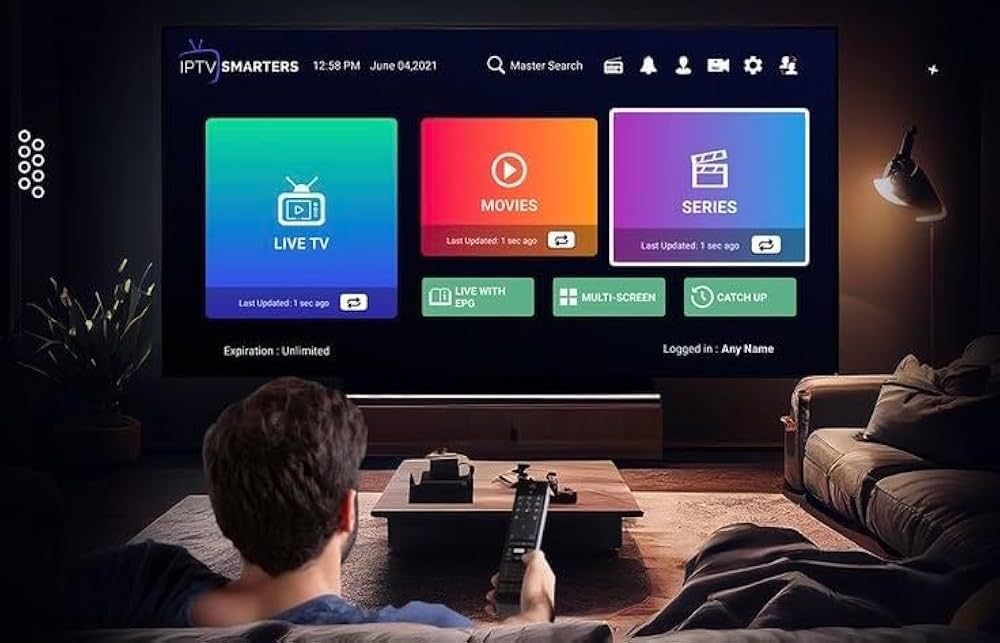
Setting up an IPTV subscription means installing one app — commonly IPTV Smarters Pro, TiviMate or IBO Player — and entering the login details you're sent after ordering. There's no equipment to wait for and no appointment to schedule. The most common beginner mistake is trying to guess the settings instead of using the exact credentials provided, so a provider that sends a clear, illustrated setup guide will save you far more time than one that just emails a username and password.
Reliability: the real differentiator
This is the one place cable still wins by default — a dedicated coaxial or fibre line doesn't compete with the rest of your household's internet traffic. IPTV and streaming apps both depend on your connection and, more importantly, on the provider's own server capacity during peak hours. This is exactly why anti-freeze technology and redundant servers matter so much when choosing an IPTV provider: a service without them will feel unreliable during the exact moments — big matches, season premieres — when you need it most.
The bottom line
If your main goal is dropping the cable contract without losing live TV and sports, IPTV is built for exactly that trade-off. If you only ever watch one or two specific services, a standalone streaming app might genuinely be simpler. Most people land somewhere in between: one solid IPTV subscription covering live TV, sports and a broad VOD library, plus maybe one exclusive app for a specific show they can't get anywhere else.
See what your Irish IPTV channel library looks like
20,000+ live channels and 60,000+ movies & series, all under one IPTV Ireland login.
Explore the Channel List